

Why do some ads stick while others are forgotten? It's not a difference of budget, creativity, or production value. Ads that get remembered tap into buyer psychology.
One way to do this is through moment anchoring: connecting your brand or product to a moment, so they think of you the next time they're in that situation. Think about giant brands like Coke, Pepsi, or Heinz. All three of these brands want you to think of them when you're planning a backyard BBQ.
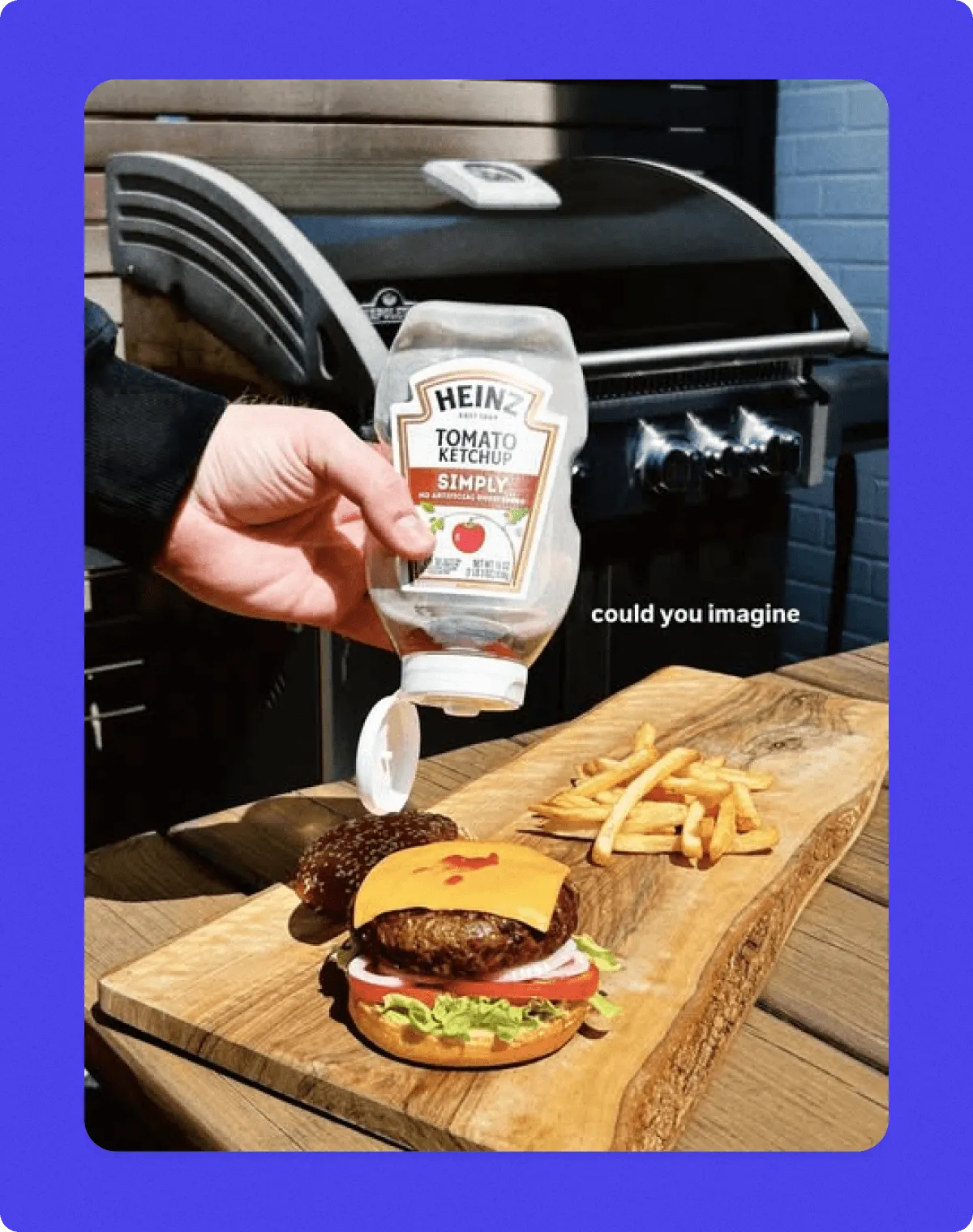
This strategy is popping up in DTC advertising now too. Across 3,254 ads launched recently by 15 top DTC brands, nearly 1 in 3 use some form of moment anchoring.
CPG and DTC are very different business models, so when their advertising tactics overlap, it's a good sign the tactic works.
Read on to dig into:
- Iconic ad campaigns that anchored to a moment
- The science that makes moment anchoring effective
- Current examples of DTC brands running this playbook
Got Milk?
Got Milk is arguably one of the most iconic advertising campaigns of all time. In the late 90s and early 2000s, all manner of celebrities rocked a milk moustache for this campaign, from Taylor Swift, to Shaq, to Kermit the Frog.
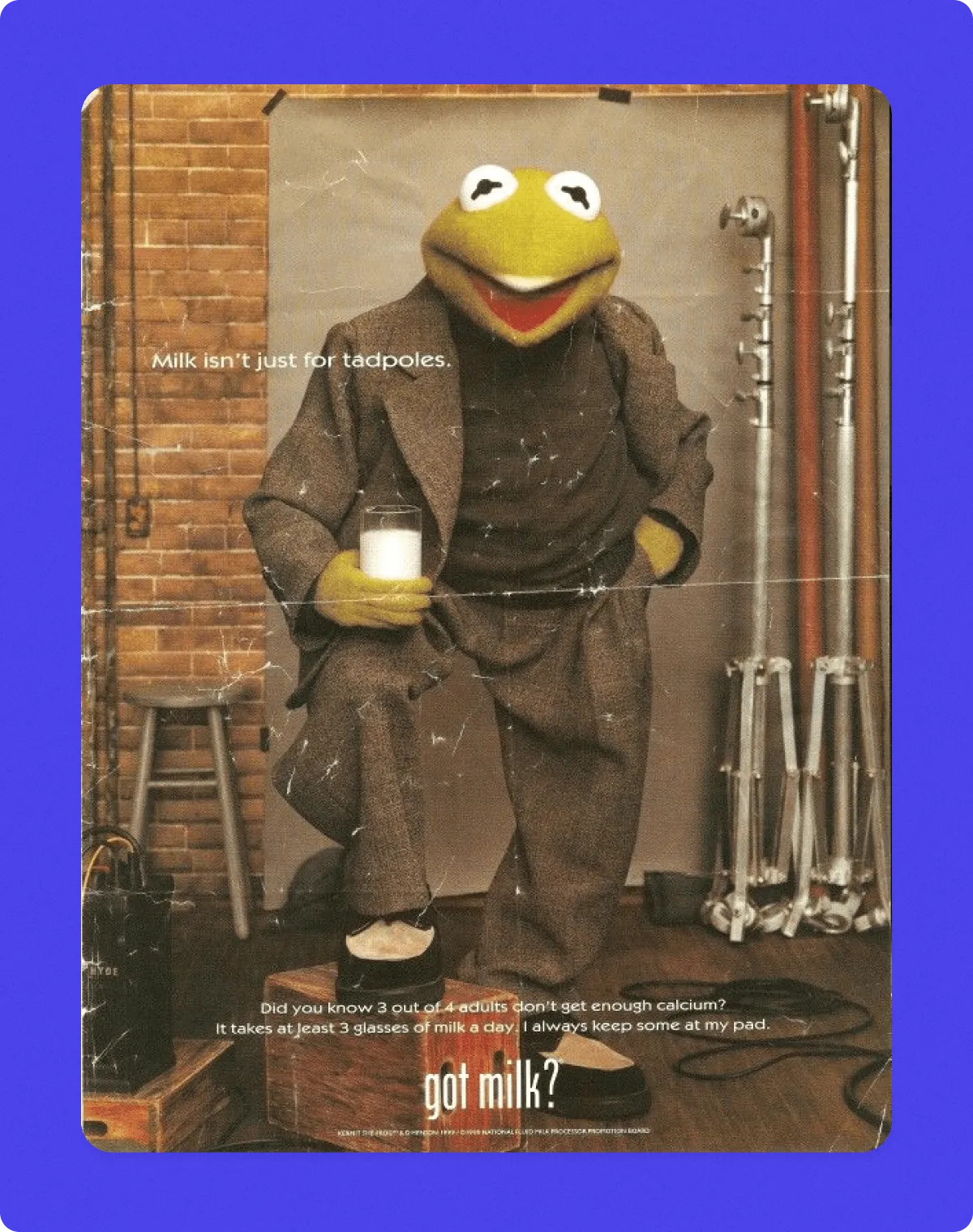
These ads were instantly recognizable, but what many don't realize is that they borrowed the tagline from an earlier campaign that was arguably more effective.
In the early 90s, milk sales in California were steadily declining every year. The California Milk Processor Board recruited ad agency Goodby, Silverstein and Partners (GS&P) to help reverse the trend.
GS&P settled on a simple idea: people only really think about milk when they're out of it. They launched with an ad depicting a guy who loses out on a $10,000 radio call-in prize because his mouth is full of peanut butter.
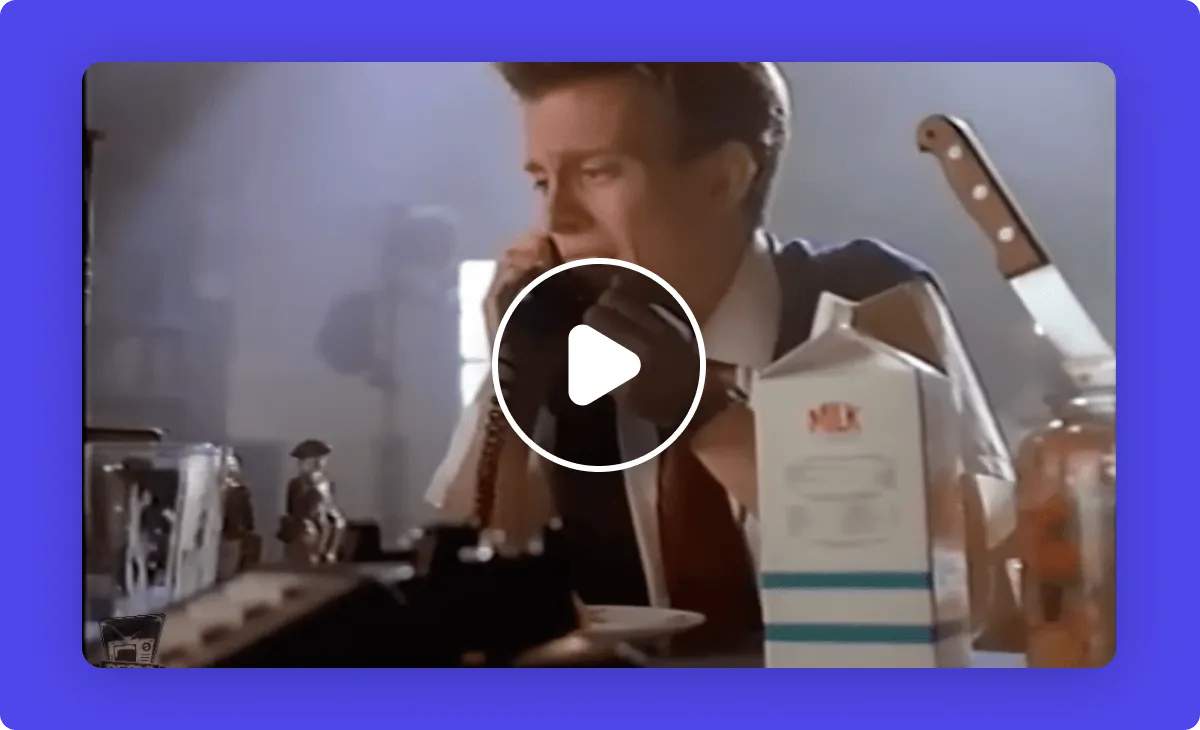
After this campaign, milk sales in California rose by 2% in 1994. Not a meteoric rise, but certainly better than dropping by 4%. Two years later, Got Milk became a national, celebrity-driven campaign. It was highly recognizable, but never drove the same sales lift as the original campaign.
What made the original so effective?
Why some ads stick: encoding specifity
The reason the ads centered on a lack of milk in everyday situations outperformed the celebrity-driven national campaign is simple: encoding specificity.
Encoding specificity means a retrieval cue's effectiveness depends on whether it matches the way the target was originally encoded. In plain English: you remember things better if they match the context you learned them in.
For example, if you wrote an exam in the same classroom you attended lectures in, you would likely earn a higher grade than writing the same exam in a different location.
Encoding specificity can be stronger than general association. Most of us would associate jam strongly with peanut butter sandwiches. This ad plants a specific connection instead. Next time you have peanut butter stuck to the roof of your mouth, you may find milk pops into your mind faster than jam.
How brand associations affect buying decisions
The impact of environmental cues on advertising doesn't stop at encoding specificity. In 1997, NASA's “Mission to Mars” drew worldwide media attention. During this time, Mars Bar sales spiked unexpectedly.
A 2008 article in the Journal of Marketing Research (Berger & Fitzsimons) outlined six studies to suggest an explanation for this connection. They found that products surrounded by related environmental cues are remembered better and chosen more often.
In the 80s and 90s, cereal brands pitched their products as being “part of a complete breakfast,” usually paired with a visual of a bowl of cereal surrounded by fruit and other breakfast foods.
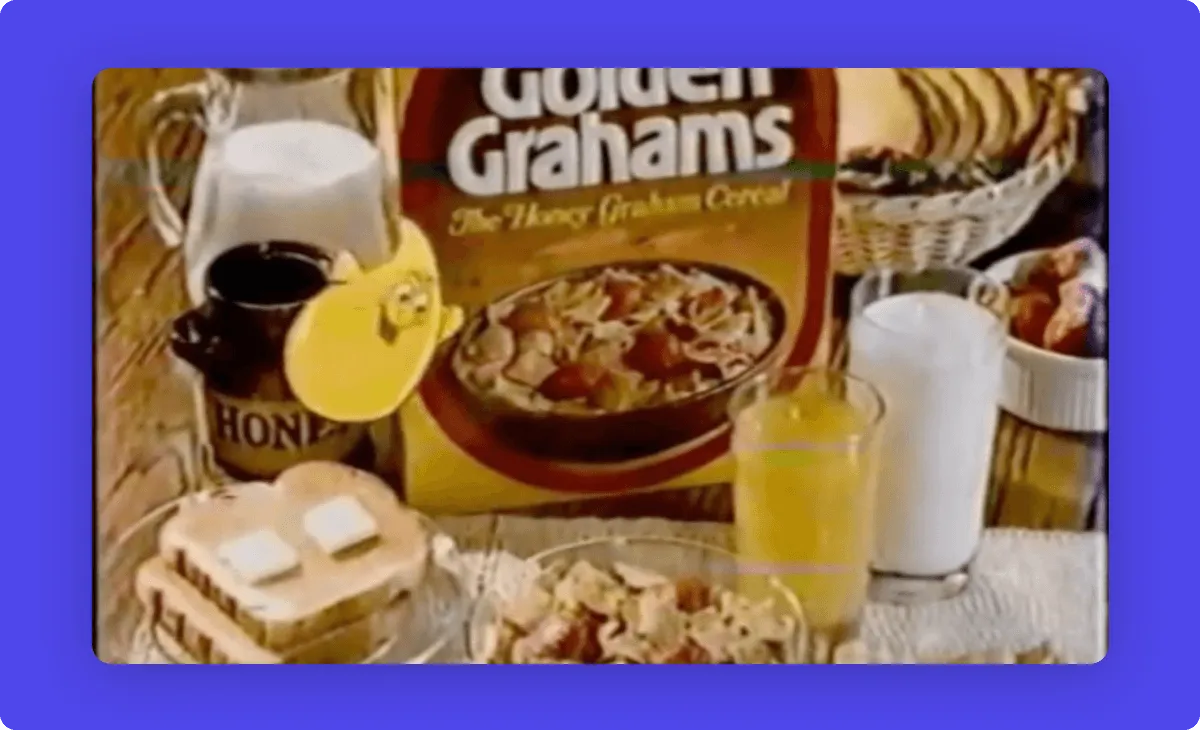
At the time, sugary cereal brands were under scrutiny from nutritionists, the FTC, and concerned parents. These “complete breakfast” spreads cued cereal to be encoded alongside healthier breakfast options like eggs, fruit, and toast.
Cereal got to borrow the positive associations we have with the other foods to rehabilitate its image. What's more, this set up a cue in viewers' brains: when you think “healthy breakfast,” cereal tags along.
Example: Ruggable
The most recognizable examples of encoding specificity and environmental priming are big brand-building campaigns, but these principles still work for DTC brands that are more conversion-focused.
This ad from Ruggable is a great example. It anchors to a specific moment: moving in and decorating a new home. She calls it out explicitly, but we also see shots of the creator unpacking, a rug unrolling in an empty room, and a couch being moved.
All of these cues prime the viewer to think of Ruggable next time they move, a time you're more likely to buy a new rug anyway. The ad uses a direct response script to drive purchases now, and environmental cues to set up conversions down the line too.

Example: Oats Overnight
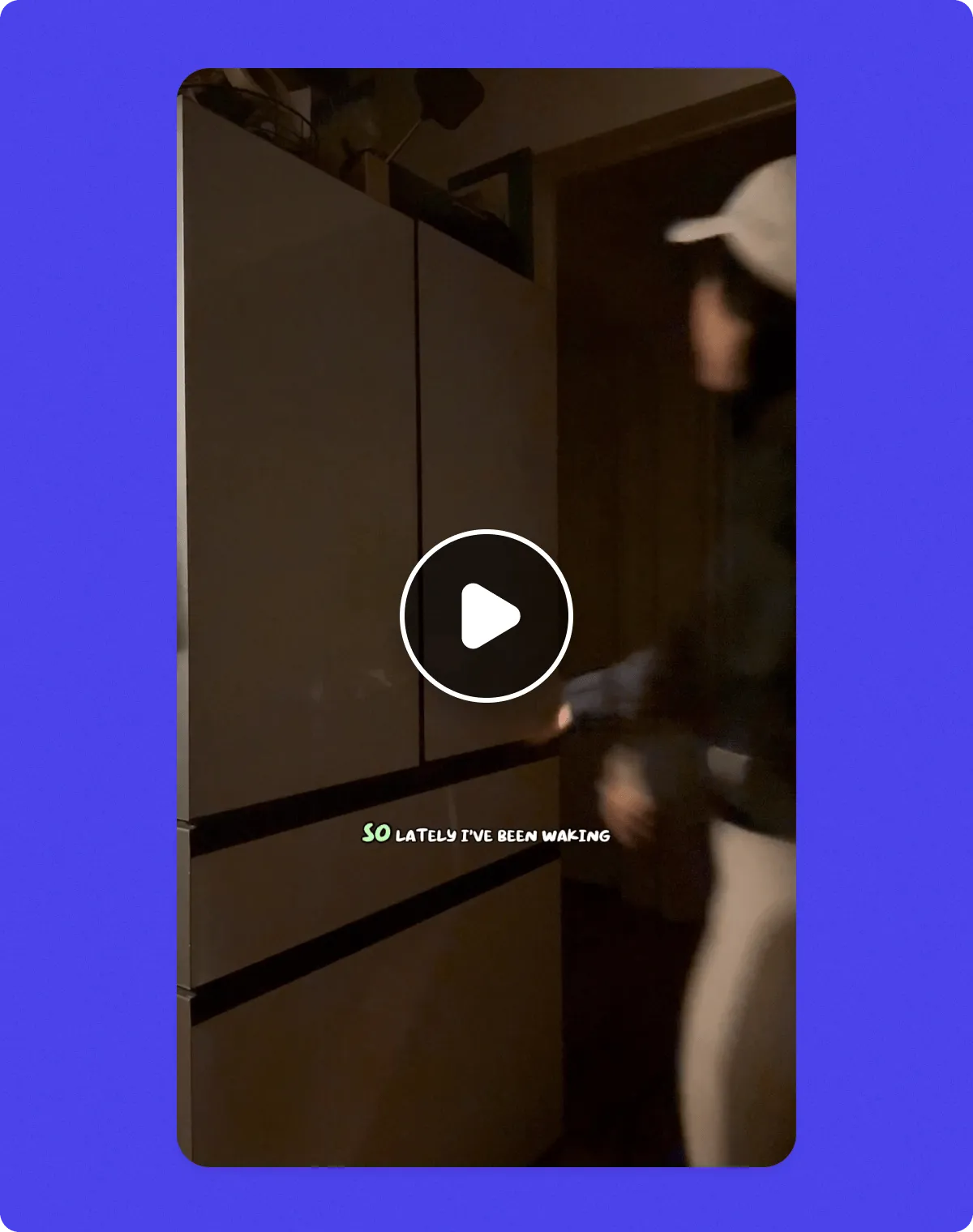
Another great example comes from Oats Overnight, anchoring themselves to early morning workouts.
Again, this is called out verbally but heavily reinforced through the visuals. The big one for me is the shot of the creator getting in the car. That shot is a cue to the target audience of early morning gymgoers.
Hopping in the car while everyone else is still asleep is a point of pride for some people, especially if it's to hit the gym. It's a relatable moment to anchor on, but only to the right audience.
Again, it's a DR script that highlights the benefits of the product, but it also sets up a connection: early morning, Oats Overnight.
Simple example: Vuori
Here's a minimalist take on moment anchoring from Vuori.
It's easier to connect your product with a specific moment through video, but it can be done with statics as well. And it doesn't need to be the focus of the ad either. You can run a standard, bottom-funnel, product-focused ad like this one.
Would it be a better environmental cue to show the products on the golf course? Yes, but this ad is promoting a collection, so you need to show the range.
Something as small as bringing a set of clubs to the photoshoot subtly builds the connection between Vuori and golf in the viewer's mind.

Tying it all together
The easier it is for someone to imagine your product in their life, the easier it is for them to justify buying it. Major legacy brands have been using this idea in their ads for decades, but you can work these concepts into any ad campaign.
- Anchor your product to specific moments
- Turn those moments into cues for your brand
- Become the brand they think of in those moments
It doesn't take a massive budget or celebrity endorsement to do this. Find the moments your existing customers already think of you, then highlight them in your ads.
— Wes Arai