
Are you sick of seeing AI slop ads all over your feed? So is the performance creative team at Pixel Theory.
"We've gotten a lot of inbound from brands seeing the creative we do, and they like that it's not all AI slop." - Graham Welter, Co-founder & CEO
Their edge is craft. The taste and strategic read that gets them hired, backed by a tight stack of tools they're willing to put their name on in front of clients.
Pixel Theory works in small teams on purpose. Creative strategy, paid media, and CRO rolled into one system for every client, backed by data instead of opinion. Fifteen people taking on agencies many times their size.
Which is exactly where it gets hard. They can’t out-hire the giants. To compete, they have to scale strategic judgment. More clients, more output, more reporting, without the quality bar slipping.
They create that scale by putting a machine underneath their whole team. It runs the research, the benchmarks, and the reporting, and leaves the taste and the strategic reads to the people.
It starts with a layer of trustworthy data
Haley Castelvecchi runs the day-to-day as creative director, and she knows how painful analysis used to be. Each report used to take her one to two full days.
"Five years ago we were pulling pivot tables out of the ad platform. Motion felt revolutionary. We knew the data was accurate. And it was visual. You could actually see what the ads looked like, not just a row in a spreadsheet." - Haley
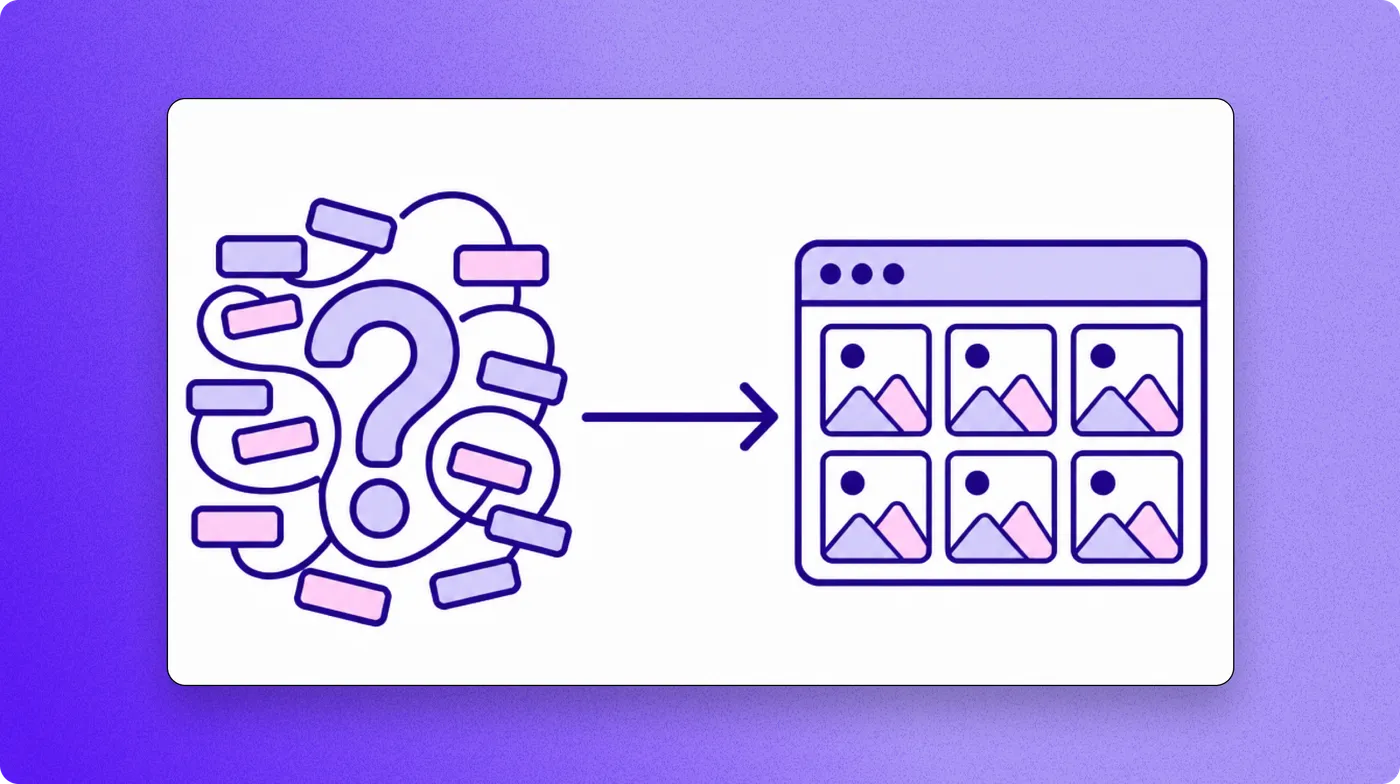
Accurate data matters more for an agency than almost anyone, every number Pixel Theory shows a client can make or break the relationship.
"There's always an opinion from brands that what we're presenting could be misleading or in our best interest. Motion, with that credibility and social proof, lets us reference unbiased data." - Graham
Runneth, the AI brain built into Motion, surfaces something even more specific: pinpoint benchmark data on how much creative volume a client's spend level should support, based on trends in their industry. It's a guardrail against the instinct to just keep producing. "That's probably the biggest use case we've found for it," Haley says.
It's also why they've never built their own version. Pixel Theory builds plenty of their own tooling for clients, but not this.
"We're not going to bake in the creative piece, because Motion does such a great job without us needing to do it." - Graham
Scaling craft starts with data nobody has to defend. It’s the foundation that Pixel Theory builds on.
The intelligence layer the team runs on
Runneth is connected to each client’s ad account data and remembers the context specific to that brand: every campaign detail, every competitor note, every thrown-out-there concept for the next round of briefing.
It works like a layer the whole company builds on, one that gets smarter the more they use it. Runneth takes on the heavy lifting so the strategist stays on the craft.
The clearest example is a wellness brand in their portfolio. Their reviews had been hinting at an audience nobody had designed creative for.
"Digging into audience insights with Runneth, we proved that our gut-health-conscious segment was actually our highest-engaged, highest-value audience."
"Translating those specific learnings into our briefs transformed our strategy, resulting in some of the top-performing ads and turning a standard persona into our biggest growth driver." - Haley
That's one win. Here's the rest of what it looks like across Pixel Theory's week.
Haley starts with the voice of the customer. She loads a client's reviews into the brain, then has Runneth pull the recurring themes and the exact language people use to describe them, and turn those into fresh messaging angles the team can brief.
When the team is writing scripts and headlines, they work with Runneth to ground every draft with performance data. Every hook is built on winning angles from past ads, way less guessing if something will land.
When a brand needs a deeper look, the team leans on Runneth for the heavy lifting: persona analysis, a pass over historical top performers, and big comparison reports across categories inside the account. Work that used to eat a day or two comes back in a form they can act on the same afternoon.
Inspiration rarely arrives on schedule. When Haley sees a competitor ad in the wild, she drops in a screenshot and asks for a version written for her client, shaped by everything Runneth already knows about that brand's voice and audience. The same move scales up to a full audit of a competitor's organic content when the team wants the wider pattern.
Telling a brand "this was your highest ROAS ad" does not explain much. So the team uses Runneth to turn the numbers into talking points: what changed, why, which creative drove it, and rooting their recommendations in that performance data, combined with creative themes. The report becomes an easy-to-follow story for every client that can be tailored to what they care about most.
It means Haley spends her hours on the judgment itself, the calls only she can make.
Turning individual wins into a system
That same instinct is showing up across the whole team now: mining reviews for new angles, backing up their scripts with performance data, auditing competitors, building cleaner client reports.
But each strategist’s routines don’t scale on their own, they need to become something the next person inherits: standardized reporting, a per-client concept roadmap, a Slack setup that catches a client’s stray idea before it’s lost in a thread.
A living creative intelligence doc for every account, continuously updating on what's tested, what's working, what's new, what needs a second look, and what's already been forgotten.

Every strategist (agency or in-house) needs to build one: it’s how a new hire will get up to speed immediately, and how an account will survive a handoff without losing its memory.
Sophia Dell, their CSM at Motion, is making that happen: "I always ask customers what takes the most time, what feels really manual, what you roll your eyes at, that’s where we start. I’m a partner in the passenger seat: I steer them a little, but they go on that journey on their own."
Free excellent people from repeatable work, and they spend their hours on the judgment and taste clients actually pay for.
The agency of the future looks a lot like this
How would Haley explain this to an agency that hasn't touched AI yet? She doesn't reach for a feature. "You can actually focus on the strategy: planning what comes next and what you want to recommend to your clients. Efficiency is the number one thing."
The craft stays human. It’s their taste that gets them hired, their read that keeps clients, and their work that doesn't look like slop. Runneth clears the path so there's more room to do it, across more clients, at the pace a lean agency needs to compete.
They didn't automate the creative. They automated everything around it.