

Format is the production layer of a creative — the vessel that carries the hook, the mechanic, and the messaging angle. Browse the full library below, or jump to the formats that perform best in Motion's 2026 Creative Benchmarks.
Visual Ad Formats for Paid Social
The production structures behind Meta, TikTok, and paid social creative — ranked by how they perform in Motion's 2026 benchmarks, with real ad examples from the brands running them.
Best-performing ad formats on Meta in 2026
Ranked by hit rate — the share of a format's creatives that become winners (≥10× account-median spend) in the 2026 dataset.
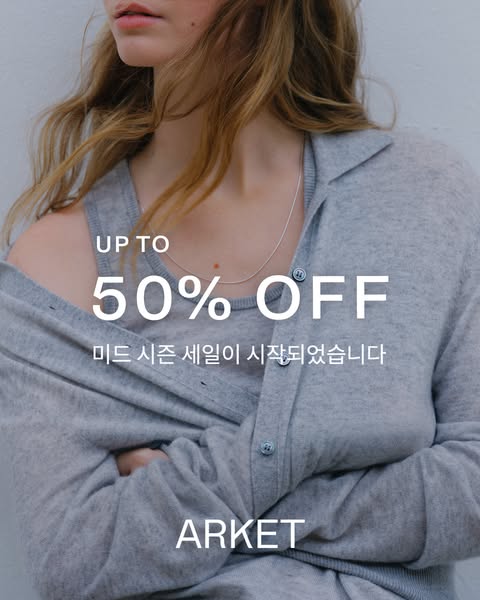
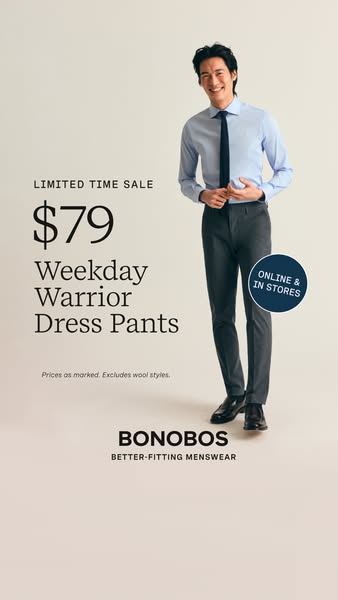
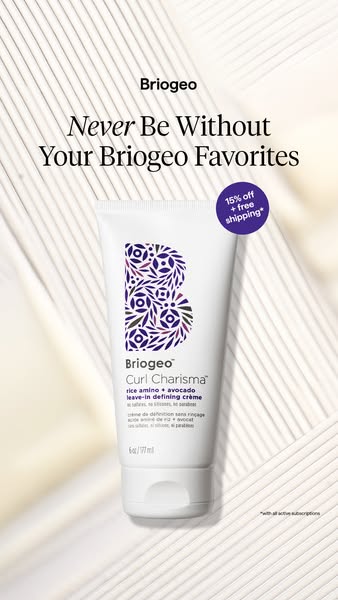
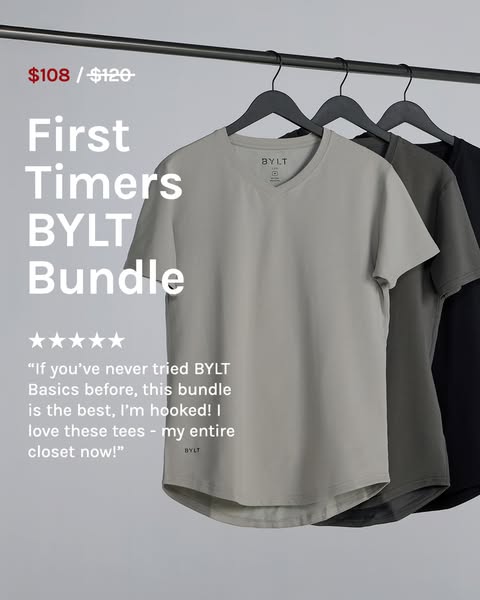
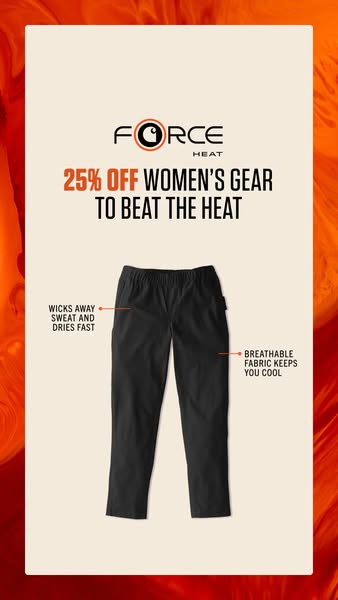
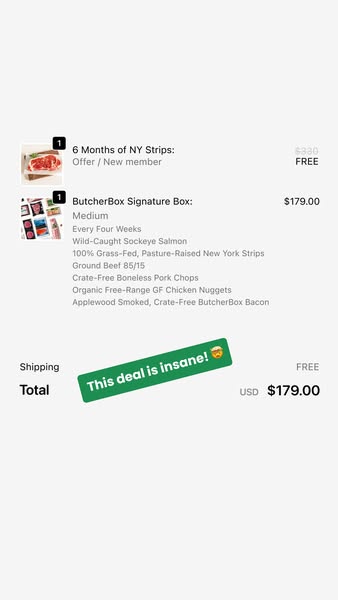
Offer-First Banner
Prominent discount banner
8.6% hit rate21.9% of creative · 29.3% of spend


Demo
Product use demonstration
8.1% hit rate12.6% of creative · 12.9% of spend

Testimonial
Customer's personal story
6.5% hit rate13.3% of creative · 13.3% of spend

Unboxing
Product package reveal
9.8% hit rate2.1% of creative · 1.3× spend use ratio


Before and After
Side-by-side transformation
Strong across verticalsTop-10 by hit rate in the 2026 leaderboard
Ad formats that punch above their weight
Ranked by spend use ratio — the share of total spend a format captures vs. its share of creative volume. Above 1.0 means the format is absorbing more budget than its volume would predict.
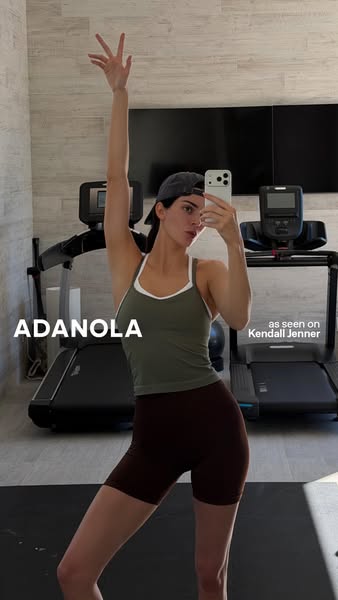
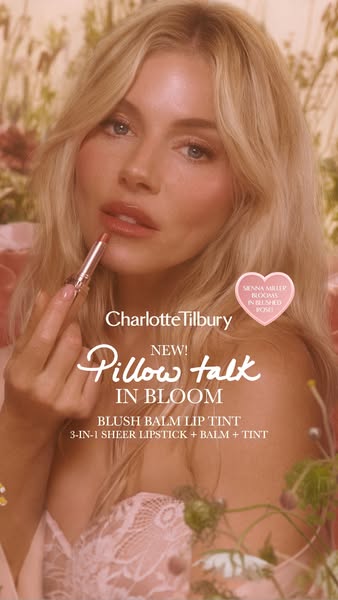
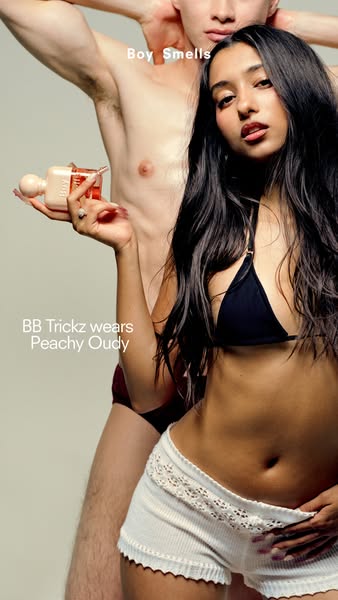
Celebrity
Endorsed by a celebrity
2.1× spend use5.9% hit rate · 0.8% of creative


Letter
Personal brand message
~1.7× spend useOver-indexes on spend despite rarer winners
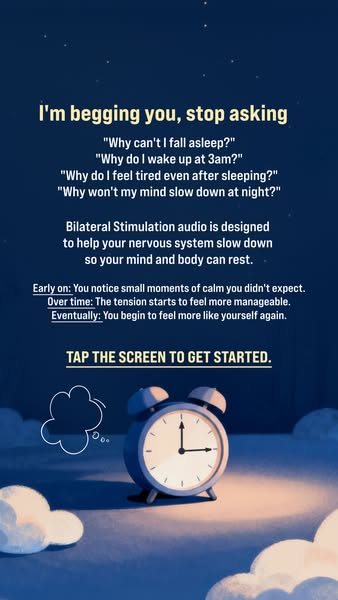
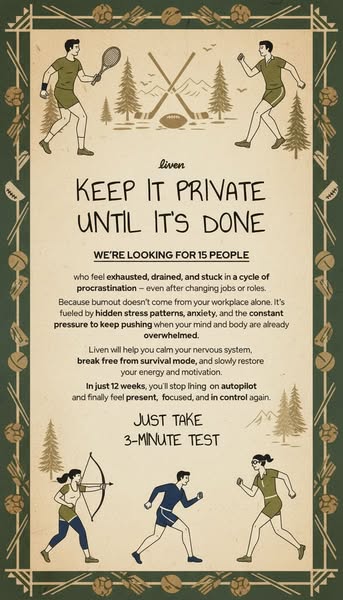

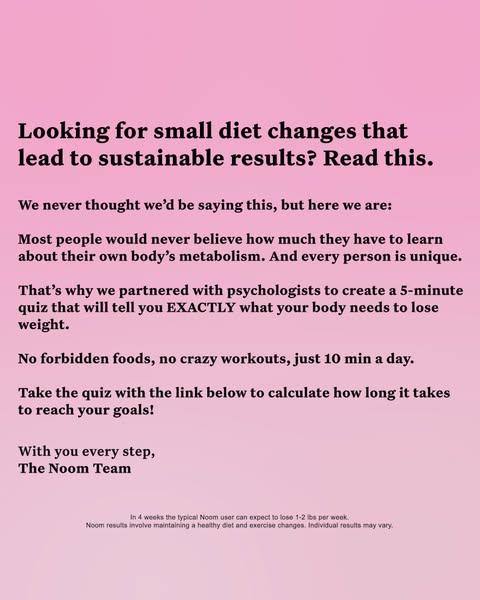

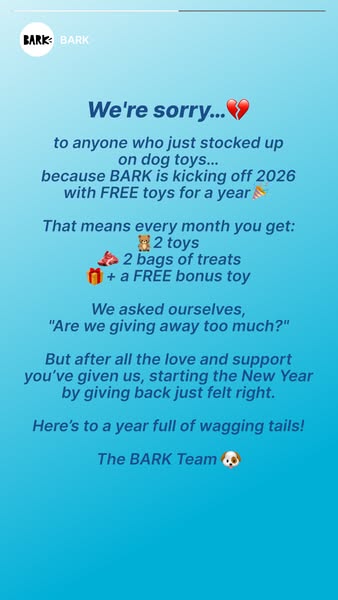
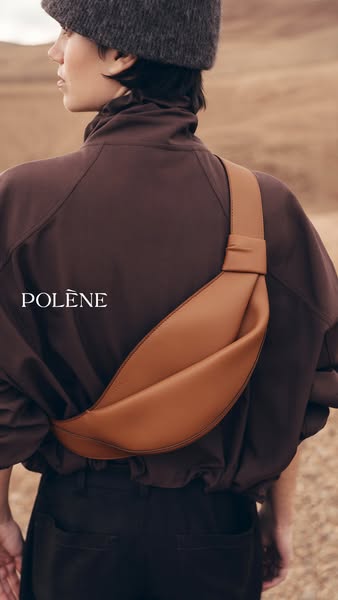
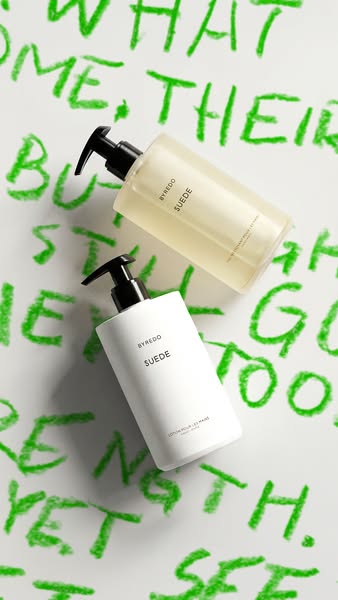
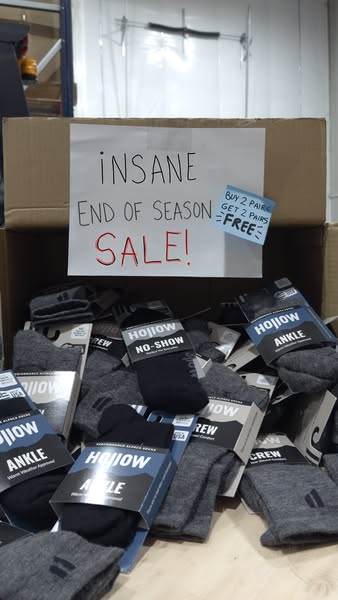
Unconventional Text Placement
Text in unexpected location
~1.5× spend useSmall volume, outsized budget capture

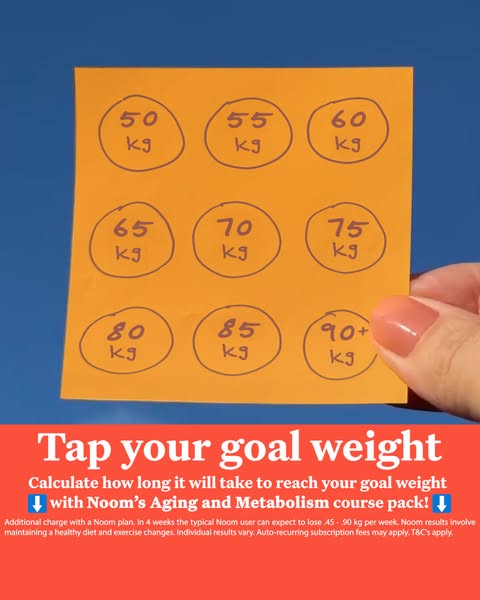
Post It
Sticky note overlay
~1.3× spend useInformal format that performs in feed
All 113 formats
Every visual ad format Motion has documented. Each has its own page with definition, medium, funnel fit, mechanic pairings, and a live gallery of brand examples.
Advent CalendarDaily reveal calendar format, typically seasonal or promotionalAirDrop MockupApple AirDrop notification mockupAlarm App MockupMobile alarm or clock app interfaceAnimationComputer-generated animated visuals including 2D, 3D, motion graphics, and illustrated animationApp MockupScreenshot or simulated mockup of an app interfaceASMRSensory sound-firstBefore and AfterSide-by-side transformationBehind The ScenesInsider brand accessBillboardOutdoor billboard-style adBranded AssetPrimarily features brand-specific elements such as logos or wordmarksCalendar App MockupDigital calendar interface displaying dates, events, or scheduling informationCartoonFeaturing cartoon-style characters or artworkCase StudyReal customer success story with proofCelebrityEndorsed by a celebrityCertification BadgeTrust badge or certification sealChalkboardContent on a chalkboard surface for educational or nostalgic effectChatGPTChatGPT interface mockupCheckout MockupShopping cart or payment screen mockupCinematic B-RollPolished cinematic shotsCollageFreeform scrapbook layoutComic StripIllustrated panel(s) telling story in a comic book formatComment ResponseReply to social commentContestContest or competition formatCountdownUrgency timer graphicDemoProduct use demonstrationDocument MockupLooks like a receipt, form, or official documentDuetSplit-screen TikTok-style reactionEditorialHigh-production fashion photography with magazine-style aestheticEducationalInformative teaching contentEmail MockupInbox or email screenshot mockupEvent AnnouncementEvent promo with key detailsExpert ExplainerAuthority-led explanationFAQCommon questions answeredFeature Benefit PointoutFeature/benefit calloutsFlatlayOverhead shot of items artfully arranged on flat surfaceFounderMessage from the founderFrameContent presented within a decorative or stylized border or frameGamificationGame-like format with playable mechanics or game aestheticGiveawayOffering free prizesGraphic OverlayGraphics, text, or icons layered over contentGreenscreenSpeaker with digital backgroundGrid SwapUniform grid layoutHand-DrawnSketch aesthetic with notebook doodles or hand-drawn illustrationsHeadlineHeadline is central focusHow ToStep-by-step tutorialHumorQuick comedic momentIllustrationHand-drawn or designed artistic visual with illustrative styleInfluencer EndorsementInfluencer-driven endorsementInfographicAnimated data visualizationJournal EntryPersonal written entry styled as journal or diary pageLetterPersonal brand messageLifestyle ImageProduct shown in everyday useListicleNumbered list formatMemeMeme-style parodyModel ShotProfessional model showcasing the productMontageFast-cut sequenceMusic Player MockupDigital music player or streaming app interface displayNative SearchGoogle-style search mockupNews BroadcastContent styled as news broadcast, article or report with graphicsNoneUnformattedNostalgiaRetro throwback aestheticNotes AppApple Notes-style textOffer-First BannerProminent discount bannerOtherOther visual ad formatsPattern InterruptSurreal disruptive visualPhone Call MockupIncoming phone call screen interface mockupPodcastPodcast-style setupPost ItSticky note overlayPOVFirst-person perspectivePressMedia coverage highlightProblem AgitationHighlighting user frustrationsProduct ImageClean product photo highlighting detailsQuizInteractive Q&A formatReaction VideoAuthentic first reactionReviewCustomer review highlightScreen RecordingApp/website walkthroughSignHandheld or posted signSkitScripted mini-storySlideshowStill image sequenceSocial CommentsScreenshot of commentsSocial Media MockupMockup of social media post interface like Instagram, Twitter, or TikTokSocial Proof MashupMultiple customer reviews in oneSplit ScreenSide-by-side video/textSpokespersonDirect-to-camera message from a personStatic To Video HybridStill-to-motion transitionStatisticStandalone numerical claimStitchSequential TikTok-style stitchStop MotionFrame-by-frame animationStorytimeCreator recounts personal narrative or experience in a storytelling formatStreet InterviewPublic Q&A formatStudio ShotPro studio photo with clean lightingTestimonialCustomer's personal storyText MessageSMS/chat-style mockupText OverlayText overlaid on video or image as primary message deliveryTime LapseAccelerated progress footageTransformationProgressive glow-up journeyTrendUses trending format or audioTry-OnPerson trying on and showcasing clothing or productsUGC OverlayCasual photo with overlay textUGC SelfieCasual selfie photoUI MockupScreenshot or simulated digital interface including apps, notifications, and system alertsUnboxingProduct package revealUnconventional Text PlacementText in unexpected locationUs Vs ThemCompetitive side-by-sideVideo Sales LetterVlogPersonal video blog documenting daily activities or experiencesVSLStructured long-form persuasion designed to convertWarning ScreenAlert or warning message styled as system or safety notificationWeather App MockupWeather application interface showing forecast or conditionsWebsite MockupMockup of website or web pageWhiteboardHand-drawn explanations on whiteboard surfaceYapperNative-feeling, personality-led storytelling that embeds selling inside conversationYouTube MockupYouTube interface or video thumbnail mockup
Frequently Asked Questions
What are the best-performing visual ad formats on Meta in 2026?
By hit rate: Offer-First Banner, Demo, Testimonial, Unboxing, Celebrity, Montage, Before & After, Listicle, Split Screen, and Us vs Them lead the 2026 dataset (hit rates roughly 5–10%). By spend use ratio — formats that punch above their weight — Celebrity, Letter, Unconventional Text Placement, Post-It, Offer-First Banner, and Unboxing sit at the top (ratios ~1.3–2.1).
What is a visual ad format?
A visual format is the production structure of an ad — what it looks like, how it's built, and what medium (video/static) it lives in. Format is the vessel. It's distinct from hooks (what you say in the first three seconds), creative mechanics (how the viewer arrives at the truth), and messaging angles (what the core truth is).
Where does format sit in the creative stack?
Messaging Angle → Creative Mechanic → Hook → Visual Format. Format and mechanic are bidirectional — you can start with a format and work backward to find the right mechanic, or start with a mechanic and find the format that best delivers it. Both workflows are valid.
What is spend use ratio?
A format's share of total spend divided by its share of total creative volume. Above 1.0 means the format captures more spend than its volume would predict (punches above its weight). Approximately 1.0 means the format performs at the expected rate. Below 1.0 means the format is overused relative to the spend it captures.
Why does Offer-First Banner dominate?
It combines a strong hit rate (8.6%) with high volume (21.9% of all creative tested) and high spend capture (29.3% of all spend). It's the workhorse of the dataset — a format that both produces winners and sustains mid-range spend consistently.
How do I pick the right format for a campaign?
Work from the audience's awareness stage and the evidence the product needs. TOF (cold traffic) rewards pattern-interrupt formats like Pattern Interrupt, ASMR, Trend, and Meme. MOF (consideration) rewards proof-driven formats like Demo, Before & After, Testimonial, and Listicle. BOF (conversion) rewards trust-driven formats like Review, Statistic, Press, and Social Proof Mashup. Pair the format with a creative mechanic that matches the evidence type.
Are these formats specific to Meta, or do they apply to TikTok too?
Most formats apply across Meta, TikTok, and paid social more broadly — the production structure is platform-independent. A Testimonial, a Demo, or an Unboxing works the same on Facebook Feed, Instagram Reels, or TikTok. Some formats (Greenscreen, Trend, Comment Response) originated on TikTok but have migrated across surfaces.
How were the 2026 rankings calculated?
From Motion's proprietary ad-tagging dataset of 578,750 creatives across 6,015 advertiser accounts and $1.29B in Meta ad spend (Sept 2025 – Jan 2026). Only formats with at least 50 advertiser accounts appear in the ranked leaderboards. See the full methodology.