So Yummy runs 4K active ads on Meta, shipping ~527 new creatives per week. Their library leans on Quiz30%, Demo16%, and Headline8%. Recently, so yummy is going hard on nostalgia-driven quizzes targeting an older demographic, leaning heavily into 60s through 80s pop culture (Golden Girls, Knight Rider, old Hollywood), classic hymns, and retro parenting moments alongside vocabulary tests that flatter users into proving their intelligence. There's a clear through-line of validation and memory triggers, positioning the quizzes as both a test of knowledge and a nostalgic trip that only "true" fans or people who lived through these eras can ace. A smaller subset pushes personality quizzes (deadly sins, female singers) to diversify engagement, but the dominant play is cultural memory as social currency.
# Ad summary
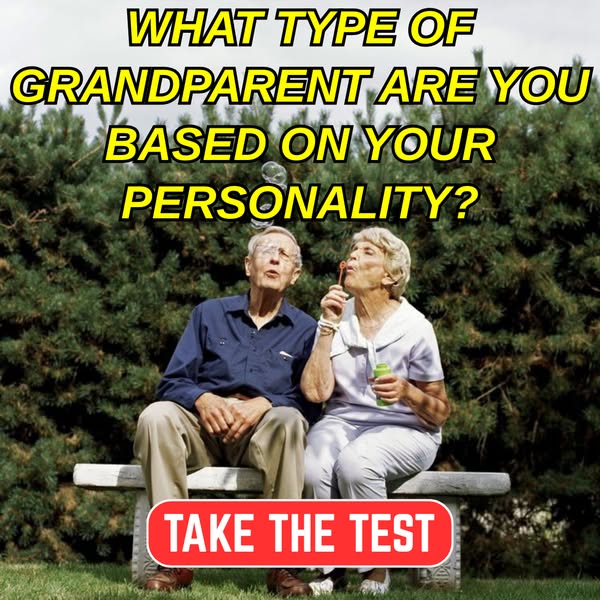
This image ad for a personality quiz features an older couple blowing bubbles on a park bench.
# Brand positioning
There is no brand being promoted in this ad. It focuses entirely on getting the user to engage with the personality quiz.
# Product
The ad is promoting a personality quiz which determines "what type of grandparent you are". It uses a lifestyle image with older adults to drive relevance and interest in the quiz, and includes a clear CTA to encourage participation.
# Visual style
The image uses a stock photo of an older couple in a park, paired with bold, overlaid text and a simple call-to-action button. The aesthetic is straightforward, prioritizing clarity and scannability over visual polish. The bright colors and familiar imagery are likely designed to grab attention in a busy feed.
# Hooks
Headline: WHAT TYPE OF GRANDPARENT ARE YOU BASED ON YOUR PERSONALITY?
# Benefits
- [object Object]
# Features
- [object Object]
# Call to action
TAKE THE TEST
# Point of view
- [object Object]
# Storyline
- The image presents a question about grandparent personality types. It aims to capture the viewer's attention with a question that prompts them to consider their own personality or their perception of grandparents.
- A picture of an older couple is shown blowing bubbles on a park bench to visualize the question. This helps to create a relatable image and set the stage for the topic of the quiz.
- A call to action is displayed to encourage viewers to "take the test." This incentivizes the viewer to engage with the content.
# Ad summary
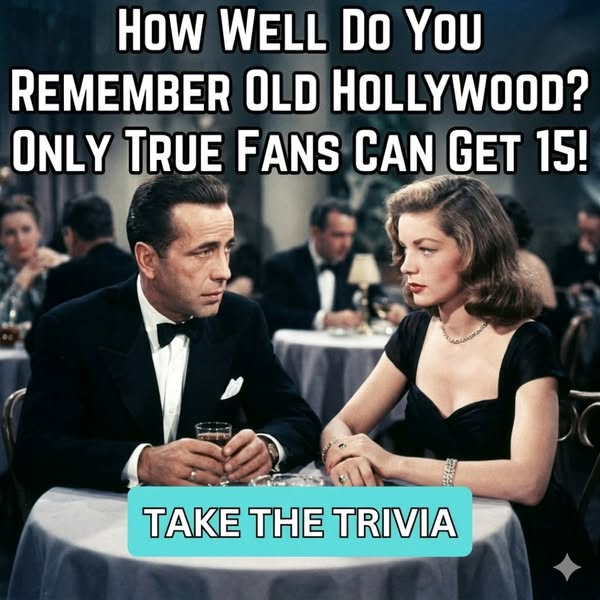
This ad promotes a trivia quiz about old Hollywood and challenges users to see how well they remember old Hollywood. It implies that only true fans can achieve a perfect score and encourages users to "Take the Trivia."
# Brand positioning
There is no brand presented in the ad, so it is not possible to provide a brand description based on the information presented.
# Product
The featured product is a trivia quiz designed to test the viewer's knowledge of old Hollywood. The ad encourages viewers to take the quiz and challenges them to achieve a perfect score of 15, implying that only true fans can do so. The quiz is presented as a fun and engaging way to test one's knowledge of old Hollywood, offering a sense of accomplishment for those who perform well.
# Visual style
The ad features a classic Hollywood aesthetic, utilizing a vintage image of actors Humphrey Bogart and Lauren Bacall in a dimly lit, formal setting. The color palette is muted, with primarily black, white, and gray tones, contributing to the vintage feel. The composition is simple, focusing on the two figures and the surrounding environment to evoke a sense of nostalgia.
# Hooks
Headline: HOW WELL DO YOU REMEMBER OLD HOLLYWOOD?
# Benefits
- [object Object]
- [object Object]
# Features
- [object Object]
# Call to action
TAKE THE TRIVIA
# Point of view
- [object Object]
# Storyline
- The ad poses a question to the viewer: "How Well Do You Remember Old Hollywood?" This is designed to pique the viewer's curiosity and engage those who are fans of classic movies. The question is presented from the brand's perspective, inviting the viewer to test their knowledge.
- The ad includes the challenge: "Only True Fans Can Get 15!" This is from the brand's perspective and creates a sense of exclusivity and competition, implying that only dedicated fans can achieve a perfect score, thus motivating viewers to prove their knowledge.
- The ad closes with a call to action from the brand: "Take The Trivia." This is a direct instruction for the viewer to engage with the product (the trivia quiz), encouraging immediate interaction and completion of the narrative's objective.
# Ad summary
This ad poses a question to viewers, challenging them to finish the lyrics of a hymn. This nostalgic appeal to a specific cultural experience is designed to pique the interest of those who grew up singing from a hymn book. The ad drives users to a webpage to complete the test.
# Brand positioning
The brand is presented through a simple 'take the test' prompt. The brand's identity and offerings are not explicitly detailed, but it is implied to be quiz-based entertainment.
# Product
The product is a test or quiz. It is presented as a nostalgic memory game for people who sang from hymn books growing up. The ad implies that completing the quiz will be easy for anyone with this background. The ad doesn't explicitly address purchase barriers, but frames participation as a fun, effortless activity.
# Visual style
The ad uses a static shot of a church interior, creating a familiar, reverent setting. The editing is simple, with a single shot throughout the ad. The production quality appears somewhat low-fi, which gives it a casual feel.
# Benefits
- [object Object]
- [object Object]
# Features
- [object Object]
# Call to action
TAKE THE TEST
# Point of view
- [object Object]
# Storyline
- 00:00–00:07 00:00–00:07 The ad opens with a shot of the interior of a church, specifically focusing on the pews. On-screen text poses a challenge to the viewer, asking if they can finish the lyrics of a song, implying it’s a common song sung in churches. The intention is to engage viewers with nostalgia and a feeling of shared experience, prompting them to prove their knowledge. The perspective is from the brand, speaking directly to the viewer with a playful challenge. The tone is lighthearted and confident, creating a low-stakes engagement.
# Ad summary
This ad is a pop culture quiz for people who lived through the 1980s. It prompts users to 'Take the Test' and see if they can name the 13 iconic characters pictured.
# Brand positioning
There is no brand being promoted in this image ad. The focus is on nostalgia for 1980s pop culture.
# Product
There is no product being promoted in this image ad. The image serves only as a quiz prompt for users to test their knowledge of 1980s pop culture. The characters include ET, Pac-Man, a Ghostbuster, He-Man, Hulk Hogan, and Madonna. The call to action is to 'Take The Test!'
# Visual style
The ad uses a cartoon-like style, reminiscent of 1980s comic books or animation. The characters are stylized and rendered with bold outlines and bright colors. The overall visual style is nostalgic and playful, aiming to evoke a sense of fun and retro appeal.
# Hooks
Headline: ONLY TRUE 80s KIDS REMEMBER THESE 13 CHARACTERS! Do you?
# Call to action
Take The Test!
# Point of view
- [object Object]
# Storyline
- The ad starts by calling out 'ONLY TRUE 80s KIDS' to establish a sense of exclusivity and shared identity. This is the brand speaking, trying to engage a specific demographic through nostalgia.
- Next, the ad challenges the audience to 'REMEMBER THESE 13 CHARACTERS!' This is the brand setting up the quiz and framing it as a memory test. The exclamation point adds excitement.
- The question 'Do you?' directly engages the viewer, prompting them to self-assess their knowledge. It's the brand directly addressing the viewer to pique their interest.
- A collection of 13 characters from the 1980s are displayed, creating a visual challenge for the audience. This is the brand providing the content for the quiz, with each character representing a potential memory trigger.
- Finally, the ad ends with a call to action: 'Take The Test!' This is the brand encouraging the viewer to click and participate, turning curiosity into engagement.
# Ad summary
This image ad is designed as a quiz, challenging viewers over 50 to define 12 class vocabulary words to test and prove their amazing vocabulary.
# Brand positioning
The brand behind this ad is not explicitly stated, so there is no clear brand identity or positioning in the broader market. The focus is purely on the vocabulary quiz itself. The implicit goal of the brand is to be perceived as a provider of engaging and challenging content for a specific age group. By creating a sense of exclusivity and accomplishment for those who succeed, the brand taps into viewers' desire to feel smart and capable, particularly as they age.
# Product
This is a vocabulary quiz which includes 12 class vocabulary words. The quiz is targeted towards individuals over 50 and prompts them to prove they have an amazing vocabulary by defining the words. The product appears to be a digital interactive experience, based on the 'START' button at the bottom of the image.
# Visual style
The ad has a nostalgic and educational visual style, with a cartoon illustration style, reminiscent of vintage textbooks. The color palette is muted and earthy, with an emphasis on browns, golds, and grays. The overall design is somewhat chaotic but visually interesting, drawing the eye with its many elements. The 'START' button looks like an early internet element. This aesthetic gives the ad a playful yet somewhat dated feel, which aligns with the target demographic.
# Hooks
Headline: MOST PEOPLE WON'T BE ABLE TO DEFINE THESE 12 CLASS VOCABULARY WORDS.
# Benefits
- [object Object]
# Features
- [object Object]
# Call to action
START
# Point of view
- [object Object]
# Storyline
- The ad opens by challenging viewers to define 12 vocabulary words, creating curiosity and positioning the content as a test of intellect. This is from the brand's perspective, setting up a challenge to engage the audience.
- The ad then narrows the audience to those over 50, creating a sense of exclusivity and relevance to a specific demographic. This comes from the brand, further qualifying the target audience and building the challenge.
- The ad highlights that if the viewer can complete the challenge, they "HAVE AN AMAZING VOCABULARY!" The brand is telling the viewer that they will achieve recognition and a sense of accomplishment upon succeeding, motivating them to click the "START" button.
# Ad summary
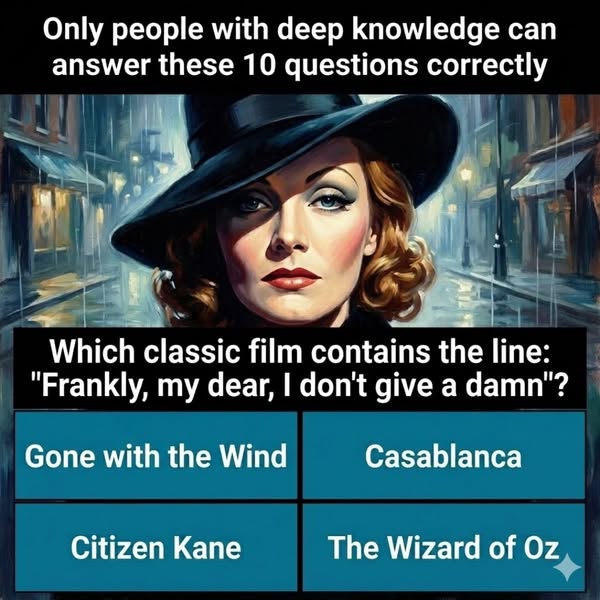
The ad presents a quiz question related to a classic film quote, challenging viewers to demonstrate their deep knowledge by selecting the correct answer from four options.
# Brand positioning
There is no explicit brand advertised in the image.
# Product
The ad is a knowledge-testing quiz presenting a question about a classic film quote. It provides four potential answers, formatted as clickable buttons. The quiz implies that answering correctly demonstrates 'deep knowledge.'
# Visual style
The ad combines a stylized portrait with a quiz interface. The image has a painterly effect. The color palette is dominated by cool tones (blues and teals) with pops of warmer hues in the woman’s hair and lips. The image is designed to resemble a vintage film poster, while the teal boxes suggest an interactive quiz interface.
# Hooks
Headline: Only people with deep knowledge can answer these 10 questions correctly
# Benefits
- [object Object]
- [object Object]
# Features
- [object Object]
# Call to action
None used.
# Point of view
- [object Object]
# Storyline
- The ad opens with a statement aimed to engage the viewer by suggesting they have deep knowledge. This is presented from the perspective of the ad itself.
- The ad then presents a multiple-choice question about a famous movie line. This is intended to test the viewer's knowledge of classic films and pique their curiosity. This is presented from the perspective of the ad itself.
- The viewer is invited to select one of four possible answers to demonstrate their knowledge. This presents a challenge from the ad itself.
# Ad summary
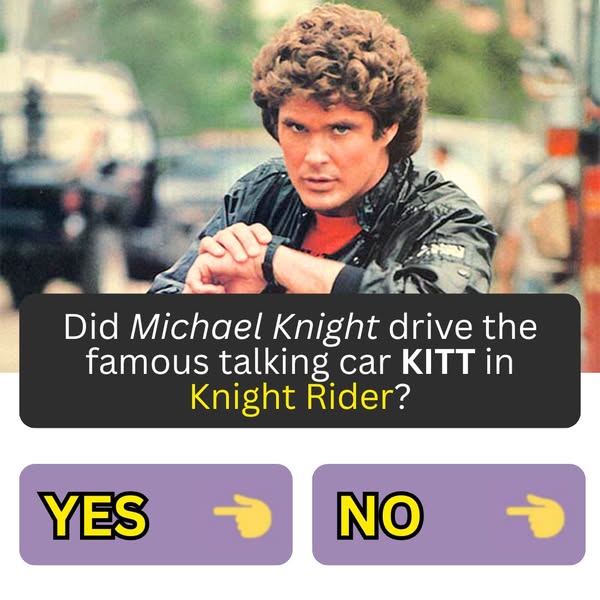
The ad features an image of David Hasselhoff. The ad asks if Michael Knight drove the famous talking car KITT in Knight Rider? The viewer has the option to choose between YES or NO.
# Brand positioning
There is no brand presented in the ad.
# Product
There is no product presented in the ad.
# Visual style
The ad has a vintage, nostalgic visual style, reminiscent of the 1980s, with a screen grab of David Hasselhoff. The image has been cropped to fit the question and answer. The purple and yellow is eye catching and likely to stand out in the feed.
# Hooks
Headline: Did Michael Knight drive the famous talking car KITT in Knight Rider?
# Benefits
- [object Object]
# Features
- [object Object]
# Call to action
None used.
# Point of view
- [object Object]
# Storyline
- The ad shows an image of David Hasselhoff who played the character Michael Knight in Knight Rider. The ad is attempting to test the viewer on their knowledge about the show Knight Rider, from the brand's perspective.
- The ad asks the viewer to confirm if Michael Knight drove the famous talking car KITT in Knight Rider? from the brand's perspective.
- The ad provides the viewer to make a selection between YES or NO from the brand's perspective.
# Ad summary
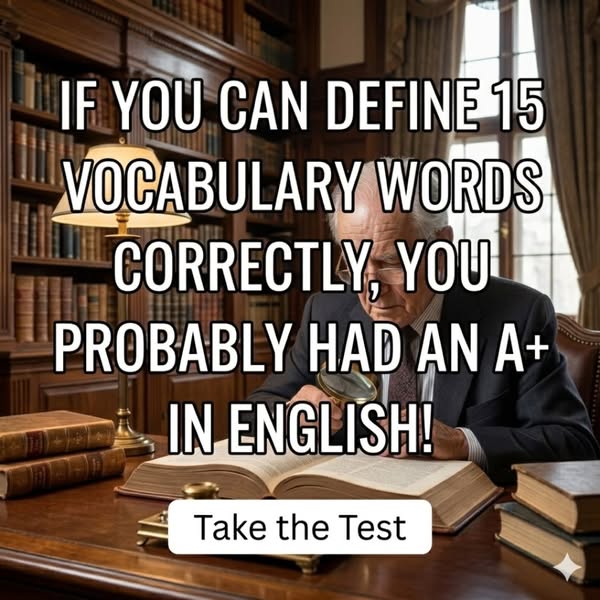
This ad implies that if a person can define 15 vocabulary words correctly, they probably had an A+ in English, and prompts the viewer to take a test.
# Brand positioning
This ad does not explicitly feature a brand. Instead, the ad implies a product or service that tests or expands one's vocabulary. The overall tone suggests an educational tool that may appeal to people who want to showcase their knowledge or improve their English skills. The ad positions its test as a quick, fun challenge that can potentially validate the user's intelligence or academic success. It leans into a functional motivation (knowledge) rather than an emotional one, targeting individuals who enjoy quizzes, trivia, and intellectual self-assessment.
# Product
The ad promotes a vocabulary test. It implies that successful completion (defining 15 words correctly) is an indicator of high academic achievement in English. The test is presented as a way to gauge one's vocabulary skills and perhaps to validate one's intelligence or educational background. No other specific details about the product/test are explicitly provided.
# Visual style
The ad features a staged, realistic, and somewhat dated or vintage visual style. The setting is a classic-looking library or study, and the man is dressed in formal attire. The typography is clean and simple, with a modern call-to-action button at the bottom of the image. Overall, the visual style feels more formal, suggesting a traditional educational setting. This could signal legitimacy or credibility.
# Hooks
Headline: IF YOU CAN DEFINE 15 VOCABULARY WORDS CORRECTLY, YOU PROBABLY HAD AN A+ IN ENGLISH!
# Benefits
- [object Object]
# Features
- [object Object]
- [object Object]
# Call to action
Take the Test
# Point of view
- [object Object]
# Storyline
- The ad opens with a bold claim: "IF YOU CAN DEFINE 15 VOCABULARY WORDS CORRECTLY, YOU PROBABLY HAD AN A+ IN ENGLISH!". This is intended to engage the viewer by presenting a challenge and suggesting a correlation between vocabulary knowledge and academic success. The story is told from the brand's perspective, presenting a conditional statement as a hook.
- The ad concludes with a call to action: "Take the Test". This encourages immediate engagement, prompting the viewer to click and participate. The story is now being told to the viewer to take action.
# Ad summary
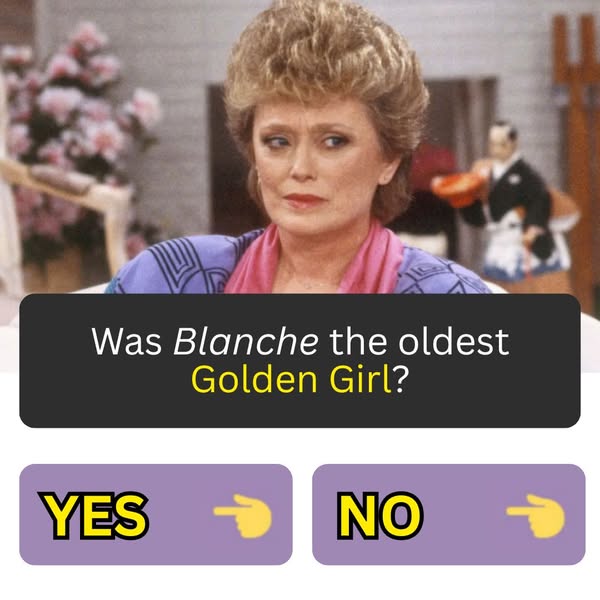
This ad prompts users to answer a question about the TV show The Golden Girls, specifically focusing on the character of Blanche.
# Brand positioning
This ad does not feature a specific brand and instead focuses on a question related to the television show "The Golden Girls."
# Product
This ad does not feature a specific product and instead focuses on a question related to the television show "The Golden Girls."
# Visual style
The visual style is a simple image-based poll. The production quality appears to be a screen grab from the show. It uses a basic layout with clear buttons for interaction.
# Hooks
Headline: Was Blanche the oldest Golden Girl?
# Benefits
- [object Object]
- [object Object]
# Features
- [object Object]
# Call to action
None used.
# Point of view
- [object Object]
# Storyline
- The image shows a close-up of Blanche Devereaux from "The Golden Girls." The perspective is that of someone posing a question to the viewer.
- The question being posed is 'Was Blanche the oldest Golden Girl?' prompting the viewer to think about the television series.
- The viewer is given a choice to click on one of the buttons labeled "YES" or "NO" to respond to the question.
# Ad summary
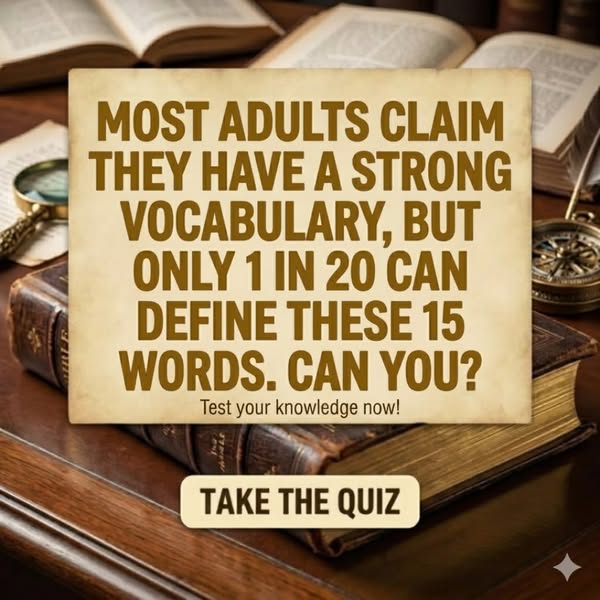
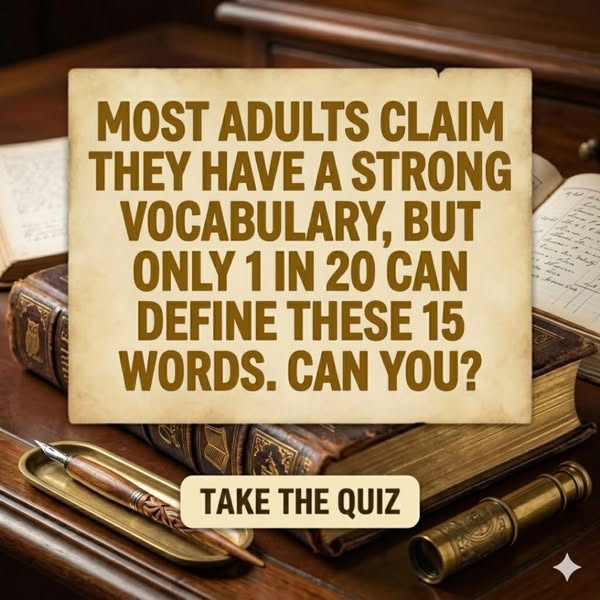
This ad challenges users to test their vocabulary knowledge with a quiz, highlighting that only a small percentage of adults can define a set of words.
# Brand positioning
This ad does not feature a brand, but rather is promoting a vocabulary quiz.
# Product
This is a vocabulary quiz designed to test one's knowledge of 15 words. It is presented as a challenge, suggesting that most adults overestimate their vocabulary skills, and that only a small fraction can actually define the words. The quiz serves as a means to test one's knowledge. Taking the quiz is presented as an opportunity to prove one's vocabulary skills.
# Visual style
The ad presents a classic, academic aesthetic with a vintage feel. The use of dark wood, leather-bound books, and brass elements evokes a sense of tradition and intellectualism. The text is bold and prominent, aiming for clear communication and direct engagement. The visual composition is simple, focusing on the textual challenge and CTA. The image treatment seems to have a vintage filter applied.
# Hooks
Headline: MOST ADULTS CLAIM THEY HAVE A STRONG VOCABULARY, BUT ONLY 1 IN 20 CAN DEFINE THESE 15 WORDS. CAN YOU?
# Benefits
- [object Object]
# Features
- [object Object]
- [object Object]
# Call to action
TAKE THE QUIZ
# Point of view
- [object Object]
# Storyline
- The ad opens with the claim that most adults believe they have a strong vocabulary. The intention here is to grab attention and establish a common perception.
- The ad presents a challenge by stating that only 1 in 20 adults can define a specific set of 15 words. This element introduces the core value proposition: the quiz. The intention is to highlight the difficulty and exclusivity of possessing a strong vocabulary.
- The ad presents a question: "Can you?". The intention is to directly engage the viewer and prompt them to question their own abilities, furthering the narrative.
- The ad motivates the viewer to take action with the prompt, "Test your knowledge now!". The intention is to provide an immediate, actionable opportunity to test one's vocabulary and satisfy their curiosity.
- The ad concludes with a button prompting viewers to "TAKE THE QUIZ". The intention is to make it easy for viewers to take action.
# Ad summary
This ad presents a vocabulary quiz to test the viewer's knowledge.
# Brand positioning
The brand is positioned as an educational resource that offers intellectual challenges. It targets individuals who value knowledge and self-improvement. The brand distinguishes itself by offering quizzes that test vocabulary skills, implying that it prioritizes mental stimulation and lifelong learning. The brand uses a vintage aesthetic which implies tradition and scholasticism.
# Product
The advertised product is a vocabulary quiz designed to test the viewer's knowledge of 15 words. The quiz is presented as a challenge, implying that it is difficult and only a small percentage of adults can successfully define the words. This element of exclusivity and difficulty is intended to pique the viewer's curiosity and encourage them to participate. The quiz is framed as a way to assess one's vocabulary skills and, by extension, one's intellectual abilities.
# Visual style
The ad has an antique, academic aesthetic. The image is staged to look like a scholar's desk with a grainy texture, creating a vintage feel. The typeface is bold and blocky, reminiscent of old print styles, enhancing the quiz's directness. The layout is simple and text-focused, making the headline easily scannable in the feed.
# Hooks
Headline: MOST ADULTS CLAIM THEY HAVE A STRONG VOCABULARY, BUT ONLY 1 IN 20 CAN DEFINE THESE 15 WORDS. CAN YOU?
# Call to action
TAKE THE QUIZ
# Point of view
- [object Object]
# Storyline
- The ad opens by making a broad statement about most adults' perception of their vocabulary, implying a challenge to the viewer: Most adults claim they have a strong vocabulary.
- The ad then contrasts the general perception with a statistic highlighting the quiz's difficulty, inviting the viewer to self-assess: But only 1 in 20 can define these 15 words.
- Finally, the ad ends with a direct question and call to action, prompting the viewer to take the quiz and test their knowledge: Can you? TAKE THE QUIZ
# Ad summary
This image ad in Spanish entices users to take a quiz by suggesting that one of the seven deadly sins reflects their personality.
# Brand positioning
There is no overt mention of a specific brand within the ad. It functions as a general quiz invitation, implying that the host is interested in users' self-discovery and personality insights. By framing the quiz around the concept of the seven deadly sins, it attempts to tap into a sense of self-awareness or curiosity about darker aspects of one's character. It pushes against the typical behavior of brands by focusing on a more emotional and introspective angle rather than directly promoting a product or service.
# Product
This ad promotes a personality quiz designed to reveal which of the seven deadly sins most closely aligns with an individual's character. The quiz offers a form of self-assessment or entertainment, promising to uncover a hidden aspect of one's personality related to these traditional vices. The ad aims to overcome potential disinterest by framing self-discovery through the lens of an intriguing concept. No specific format or duration for the quiz is implied.
# Visual style
The ad employs a simple and direct visual style with a high-contrast color scheme (dark blue background and golden yellow text). The lack of imagery keeps the focus on the message itself, aiming for clear and immediate readability. The rounded button at the bottom imitates platform-native button design, improving scannability and driving action in-feed.
# Hooks
Headline: Muchas personas no se dan cuenta de que uno de los siete pecados capitales refleja su personalidad.
# Benefits
- [object Object]
# Features
- [object Object]
# Call to action
RESUELVE EL QUIZ
# Point of view
- [object Object]
# Storyline
- The ad opens by stating that many people are unaware that one of the seven deadly sins reflects their personality, setting up a premise of hidden self-knowledge. The storyteller is an anonymous narrator, aiming to intrigue the audience and imply they will gain meaningful insight by taking the quiz.
- The ad follows up by encouraging the viewer to take a quiz to discover which sin identifies them. The storyteller is the quiz provider, enticing users to participate by promising a personalized revelation.
# Ad summary
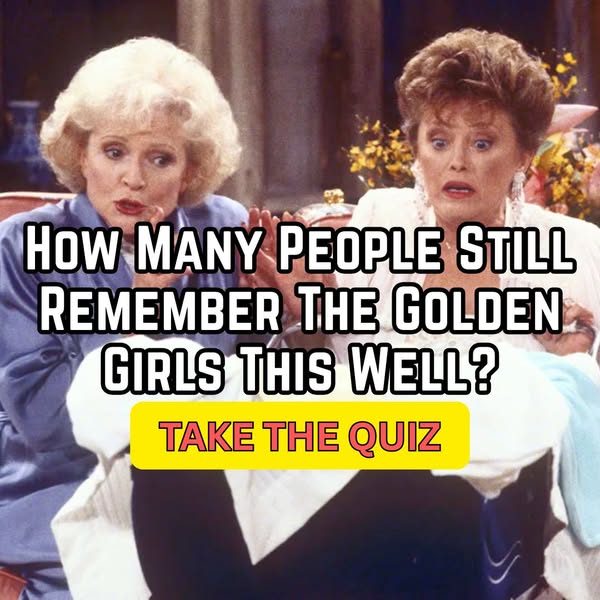
This ad is designed to generate interest in a quiz by appealing to the nostalgia of a popular television show.
# Brand positioning
There is no brand being promoted in this ad. The ad is referencing the popular television show "The Golden Girls".
# Product
The product is a quiz. The ad presents a quiz for users who want to test their knowledge about "The Golden Girls."
# Visual style
The ad features a still from a popular television show with overlaid text and a button to take a quiz.
# Hooks
Headline: HOW MANY PEOPLE STILL REMEMBER THE GOLDEN GIRLS THIS WELL?
# Benefits
- [object Object]
# Features
- [object Object]
# Call to action
TAKE THE QUIZ
# Point of view
- [object Object]
- [object Object]
# Storyline
- The ad begins with an image from "The Golden Girls" with two of the main actresses on the show. The image is intended to invoke nostalgia and familiarity with the show.
- The text overlay asks how many people still remember the Golden Girls well, which aims to engage users who are fans of the show and believe they have a strong memory of it.
- The ad ends with a bright "Take the Quiz" button to entice the user to engage with the ad.
# Ad summary
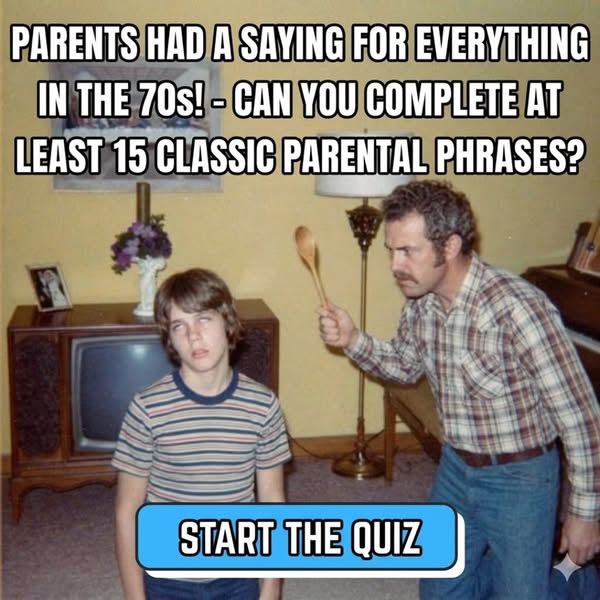
This ad uses a vintage photo of a parent about to discipline their child with a wooden spoon as a humorous hook to entice users to take a quiz about classic parental phrases from the 1970s.
# Brand positioning
The ad does not explicitly state the brand identity, values, or positioning. The brand leverages nostalgia and humor by referencing classic parental phrases from the 1970s to engage its audience.
# Product
The product being advertised is a quiz, presumably online, that tests the user's knowledge of classic parental phrases from the 1970s. The quiz aims to provide entertainment and a sense of nostalgia for those who grew up during that era or are familiar with its cultural references.
# Visual style
The ad has a vintage, nostalgic visual style achieved through the use of a dated photograph with warm, muted tones. The photo appears to be from the 1970s, aligning with the theme of classic parental phrases. The overall production quality is reminiscent of old family snapshots, which enhances the sense of nostalgia and authenticity.
# Hooks
Headline: PARENTS HAD A SAYING FOR EVERYTHING IN THE 70s! - CAN YOU COMPLETE AT LEAST 15 CLASSIC PARENTAL PHRASES?
# Benefits
- [object Object]
- [object Object]
# Features
- [object Object]
- [object Object]
# Call to action
START THE QUIZ
# Point of view
- [object Object]
# Storyline
- The ad opens by framing the question to the user by referencing common phrases that were used by parents in the 70s. The intention here is to tap into the nostalgia of the viewer, coming from a neutral point of view.
- The ad then presents the user with the question of whether they are able to complete 15 classic phrases. The intention of this line is to gauge the potential knowledge of the user, coming from a neutral point of view.
- The ad then prompts the user to start the quiz. The intention here is to encourage the user to take action, coming from a neutral point of view.
# Ad summary
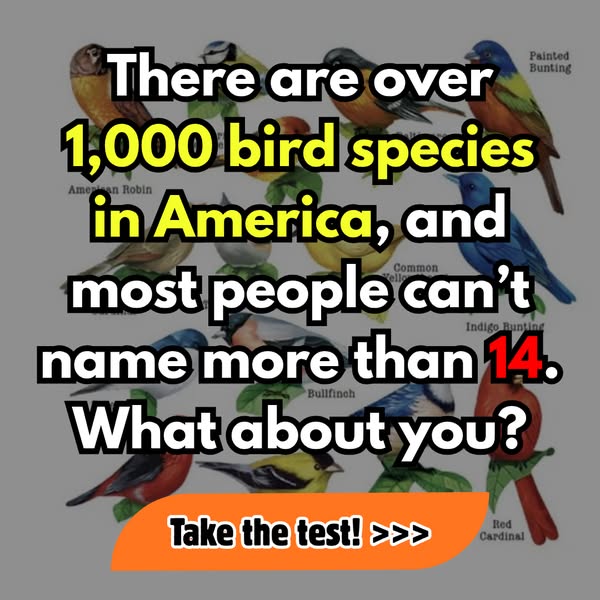
This ad uses an image of multiple bird species along with a question that challenges the user to test their knowledge of bird species.
# Brand positioning
There is no brand explicitly featured in the ad. The ad is not promoting a specific product or service, so there is no brand positioning presented. It appears to be designed to engage the audience and potentially drive traffic to a quiz or test related to bird identification, or perhaps to broadly raise awareness of different bird species. The ad uses a question to prompt engagement.
# Product
There is no product featured in the ad. The visuals depict various species of birds. The ad aims to challenge viewers on their ability to name different bird species.
# Visual style
The ad features a vintage illustration style with a focus on informative content. The production quality appears to be basic, utilizing a classic bird illustration as the backdrop. The layout is simple, with text overlaid on the image and a clear call-to-action button at the bottom. The visual style is designed to mimic educational material. The choice of vintage illustrations and simple layout helps grab attention and encourages users to engage.
# Hooks
Headline: There are over 1,000 bird species in America, and most people can't name more than 14. What about you?
# Call to action
Take the test! >>>
# Point of view
- [object Object]
- [object Object]
- [object Object]
# Storyline
- The ad starts by stating there are over 1,000 bird species in America. This is presented as a general knowledge fact and provides context for the challenge. The perspective is from an external source, informing the audience about a statistic. This is included to set up the question that follows.
- The ad continues by claiming most people can't name more than 14 bird species. This creates a gap between the known fact and the presumed general knowledge, positioning the viewer to question their own abilities. The perspective is from an external, generalized assessment of most people's knowledge. This is included to challenge the viewer's self-perception and peak interest.
- The ad finishes by asking, "What about you?" and prompts the viewer to take the test with an orange button. This invites the viewer to self-assess and participate in the challenge. The perspective is directly from the ad's creator, addressing the viewer. This is included to create engagement and encourage action.
# Ad summary
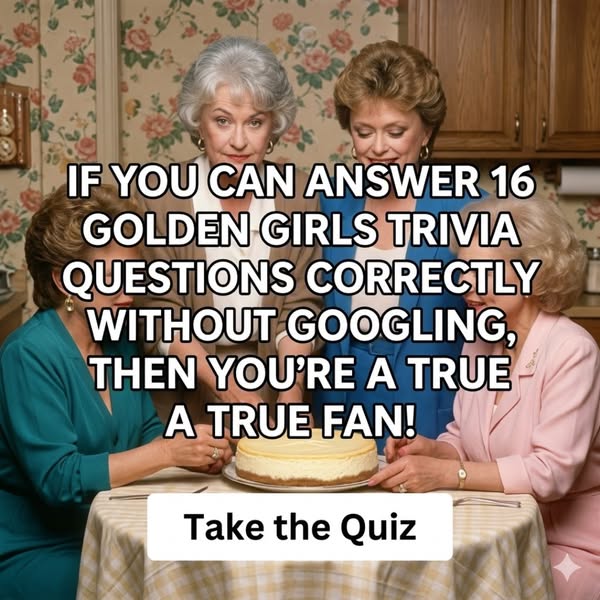
This ad challenges viewers to test their knowledge of The Golden Girls with a trivia quiz. It features an image of the four main characters around a table with a cheesecake, visually reinforcing the show's theme. The ad aims to engage fans of the show and drive them to take the quiz.
# Brand positioning
This ad does not feature a traditional brand. Instead, it leverages the established cultural phenomenon of "The Golden Girls." The ad aligns itself with the show's enduring appeal and nostalgic value, aiming to tap into the audience's existing emotional connection with the characters and their stories. The positioning is purely entertainment-based, offering a lighthearted way for fans to engage with the show's content.
# Product
The featured "product" is a trivia quiz centered around the television show, "The Golden Girls." It is designed for fans of the show who want to test their knowledge and prove their dedication. The quiz implicitly promises a fun and engaging experience for those familiar with the show's details. By framing the quiz as a challenge ('IF YOU CAN ANSWER 16 GOLDEN GIRLS TRIVIA QUESTIONS CORRECTLY WITHOUT GOOGLING, THEN YOU'RE A TRUE A TRUE FAN!'), the ad taps into the viewer's competitive spirit and desire for validation within the fan community.
# Visual style
The ad utilizes a still image from "The Golden Girls" TV show. The production quality is typical of a sitcom from the 1980s/90s, with standard studio lighting and set design. The visual style is nostalgic and aims to evoke familiarity with the show.
# Hooks
Headline: IF YOU CAN ANSWER 16 GOLDEN GIRLS TRIVIA QUESTIONS CORRECTLY WITHOUT GOOGLING, THEN YOU'RE A TRUE A TRUE FAN!
# Benefits
- [object Object]
# Features
- [object Object]
# Call to action
Take the Quiz
# Point of view
- [object Object]
# Storyline
- The ad opens with a challenge: 'IF YOU CAN ANSWER 16 GOLDEN GIRLS TRIVIA QUESTIONS CORRECTLY WITHOUT GOOGLING, THEN YOU'RE A TRUE A TRUE FAN!' The message aims to engage viewers by directly addressing them and presenting a test of their knowledge of The Golden Girls. It speaks from the quiz provider's perspective, establishing the challenge and its reward of being a true fan.
- The ad concludes with a clear call to action: 'Take the Quiz'. This encourages the viewer to engage with the quiz immediately. This is told from the brand's perspective.
# Ad summary
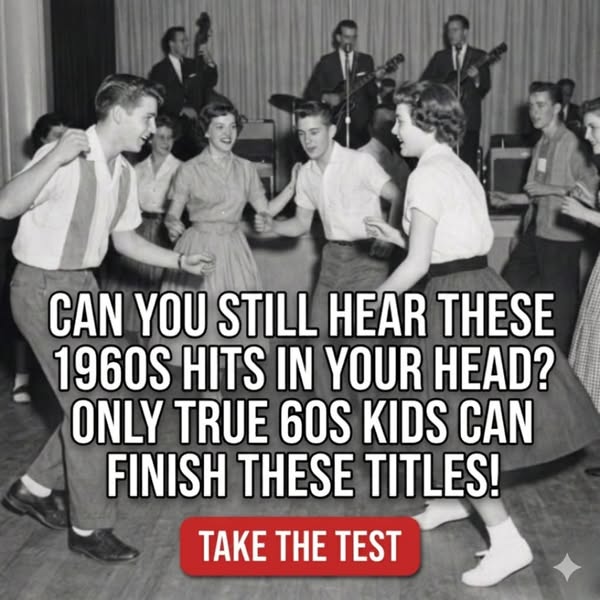
The image ad shows a black and white photo from a dance party in the 1960s and asks viewers if they can still hear the 1960s hits in their head. It suggests that only true 60s kids can finish these titles, and includes a button to take the test.
# Brand positioning
There is no brand explicitly promoted in this image. The focus is on testing the viewer's knowledge of 1960s music hits. There are no visible competitors. The ad doesn't promote a specific value, tone or lifestyle, but instead focuses on a sense of nostalgia and shared cultural knowledge. The ad does not try to push against category norms, it leverages nostalgia as the core theme. The positioning is more emotional, creating a sense of nostalgia and testing the user's memory of the 1960s.
# Product
There is no explicit product offered. The ad promotes a quiz or test related to finishing the titles of 1960s music hits. The implicit offering is a nostalgic experience for those who remember the music of that era. There are no clear USPs other than the quiz itself. The use occasion is a moment of leisure or nostalgia. There are no clear purchase barriers, as the "product" is likely a free quiz, and the ad is a way to engage the audience.
# Visual style
The ad has a retro or vintage aesthetic, using a black and white image reminiscent of the 1960s. The production quality is intentionally low, giving it a nostalgic feel. The central text is large and bold to quickly grab attention. The red button at the bottom provides a modern, contrasting element that encourages interaction. The overall style is designed to mimic old photographs. This nostalgic look helps the ad stand out and is likely to catch the eye of viewers who have an affinity for the era.
# Hooks
Headline: CAN YOU STILL HEAR THESE 1960S HITS IN YOUR HEAD?
# Benefits
- [object Object]
# Features
- [object Object]
# Call to action
TAKE THE TEST
# Point of view
- [object Object]
# Storyline
- The image shows a dance floor in the 1960s, with people dancing to music. This image sets the scene for the ad, visually transporting the viewer back to that era to trigger their memory of the music and culture of the 1960s. This part of the story is told from the perspective of an external observer showcasing what that time was like.
- The text asks, "CAN YOU STILL HEAR THESE 1960S HITS IN YOUR HEAD?" which directly addresses the viewer, prompting them to recall songs from that period. This question draws the viewer into the ad, piquing their curiosity and nostalgia. This section is speaking to the viewer directly as someone who may remember and enjoy the music of the 1960s.
- The text continues, "ONLY TRUE 60S KIDS CAN FINISH THESE TITLES!" implying that only those who truly experienced the 1960s can complete the quiz. This is a challenge or an invitation, creating a sense of exclusivity and competition. This part of the message appeals to the viewer's sense of identity, associating them with a specific group of people who lived through the 1960s.
- A red button at the bottom of the image says "TAKE THE TEST," which is the final call to action that encourages the viewer to participate in the quiz. It gives the viewer a clear and easy way to engage with the content, turning their nostalgic feelings into an action. The button reinforces the ad's purpose, making it clear that the next step is to test their 1960s music knowledge.
# Ad summary
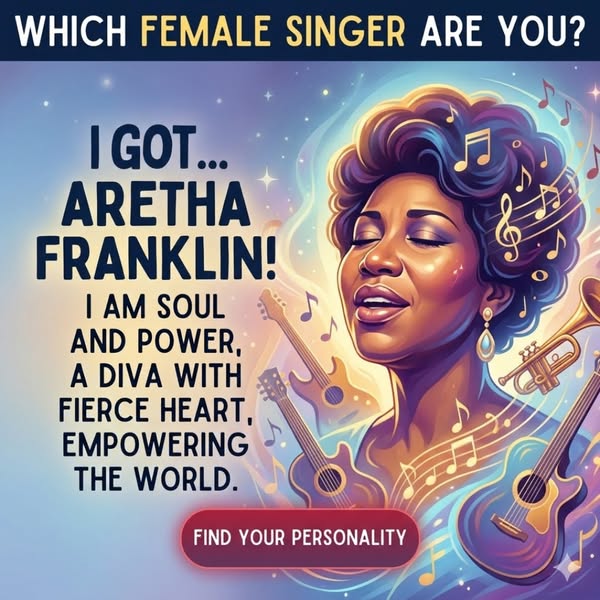
This quiz ad entices the viewer to discover which female singer they are most like by clicking the 'Find Your Personality' CTA.
# Brand positioning
The brand is not explicitly stated. However, the quiz implies a focus on self-discovery and personal expression through entertainment and musical icons. The brand seeks to occupy a space in the consumer's mind related to fun, engaging content and quizzes, allowing users to learn more about themselves.
# Product
The product is a personality quiz designed to match the user with a female singer based on their answers. It works by having the user click the 'Find Your Personality' button, which presumably takes them to a series of questions that determine their singer match. The quiz leverages the user's curiosity about their identity and provides a fun, engaging way to explore it.
# Visual style
The ad has a highly polished, illustrative style that is reminiscent of a painting. The visual motifs include musical notes and instruments, which reinforce the theme of music and personality. The image treatment includes color grading and lighting effects that give the ad a dreamy, ethereal quality. The typography is large and bold, making it easy to read and eye-catching. The overall style is designed to be engaging and attention-grabbing, with a focus on visual appeal and scannability in feed.
# Hooks
Headline: WHICH FEMALE SINGER ARE YOU?
# Benefits
- [object Object]
# Call to action
FIND YOUR PERSONALITY
# Point of view
- [object Object]
# Storyline
- The ad starts with the question "WHICH FEMALE SINGER ARE YOU?" to immediately engage the viewer and pique their curiosity. This question is posed from the brand's perspective to draw the viewer in and make them consider taking the quiz.
- The ad presents "ARETHA FRANKLIN!" as a potential result, accompanied by the text "I AM SOUL AND POWER, A DIVA WITH FIERCE HEART, EMPOWERING THE WORLD". This provides an example of the kind of result the user might get and what qualities it represents, coming from the brand to highlight the potential of quiz results.
- The ad ends with a call to action: "FIND YOUR PERSONALITY". This prompts the viewer to take the quiz, moving them further into the funnel, with the brand encouraging engagement and personalization.
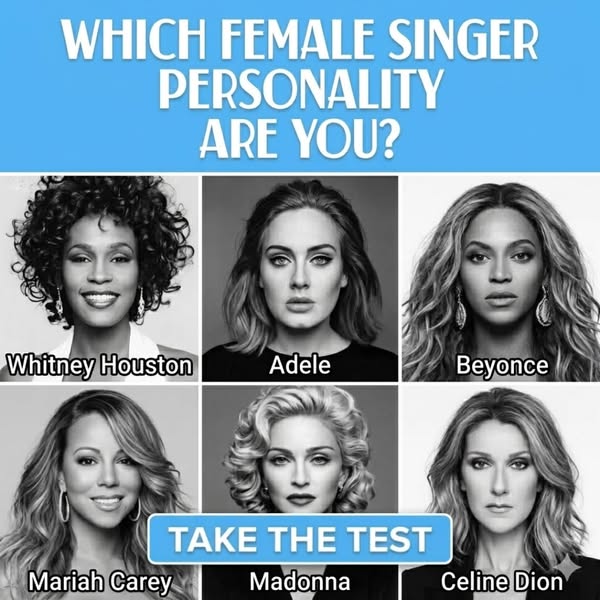
# Ad summary
This ad promotes a quiz where people are matched with a female singer based on their personality. The ad features images of six female singers and prompts the user to 'Take the Test'.
# Brand positioning
There is no explicit brand being promoted in this ad. The focus is purely on engaging users with a personality quiz format.
# Product
The featured product is an interactive 'Which Female Singer Personality Are You?' quiz. The quiz is designed to match users with one of six singers—Whitney Houston, Adele, Beyoncé, Mariah Carey, Madonna, or Celine Dion—based on their personality. The ad does not detail specific quiz questions or the matching process, but it clearly aims to entertain users.
# Visual style
The ad has a clean, simple, and direct visual style. The images of the singers are presented in a grid to provide easy visual reference. The use of a bright blue background and a clear call-to-action button contribute to an inviting and engaging aesthetic. The overall style is optimized for quick scanning and high engagement.
# Hooks
Headline: WHICH FEMALE SINGER PERSONALITY ARE YOU?
# Benefits
- [object Object]
# Features
- [object Object]
# Call to action
TAKE THE TEST
# Point of view
- [object Object]
# Storyline
- The ad opens by posing a question to the audience: 'Which Female Singer Personality Are You?' This is from the brand's perspective and intends to pique the viewer's interest and make them reflect on which singer they most identify with.
- Six images of female singers are displayed: Whitney Houston, Adele, Beyoncé, Mariah Carey, Madonna, and Celine Dion. This visual selection offers recognizable reference points for the audience to consider which personality they align with, conveyed from the brand's perspective.
- A call to action, 'Take the Test,' prompts the user to engage further. This shifts to the customer's perspective by encouraging them to actively participate in the quiz.
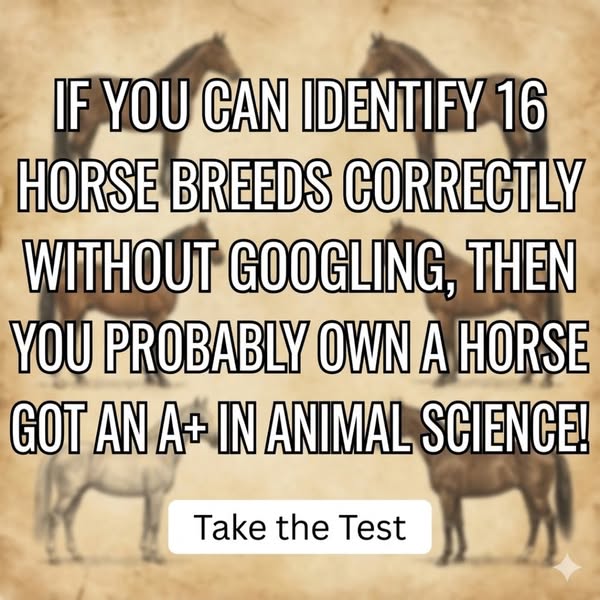
# Ad summary
The ad is an image with the text asking the viewer if they can identify 16 horse breeds without googling. The text continues by saying if they can, then they probably own a horse and got an A+ in animal science. The ad includes a button to take the test.
# Brand positioning
There is no brand promoted in this ad.
# Product
The product is a horse breed identification quiz. The ad challenges viewers to test their knowledge of horse breeds, implying the quiz is suitable for horse owners and those with expertise in animal science. The quiz offers a fun and engaging way for people to assess their familiarity with horse breeds.
# Visual style
The image uses a vintage style with a speckled background and blurry horse images. The text is bold and centered, creating a direct and challenging tone. The overall design is simple and aims to capture attention with a quiz-like format.
# Hooks
Headline: IF YOU CAN IDENTIFY 16 HORSE BREEDS CORRECTLY WITHOUT GOOGLING, THEN
# Benefits
- [object Object]
# Features
- [object Object]
# Call to action
Take the Test
# Point of view
- [object Object]
# Storyline
- The image opens by posing a question to the audience, 'IF YOU CAN IDENTIFY 16 HORSE BREEDS CORRECTLY WITHOUT GOOGLING, THEN' to engage the viewer and prompt them to test their knowledge. This is told from the brand's perspective to capture the viewer's attention.
- The image then continues 'YOU PROBABLY OWN A HORSE GOT AN A+ IN ANIMAL SCIENCE!' to playfully indicate that the quiz is likely for horse owners and animal science experts. This is from the brand's perspective to create a sense of challenge and validation for the viewer's knowledge.
- The image ends with a call to action to 'Take the Test', directing the audience to engage with the quiz. This is the brand's perspective to encourage immediate interaction and participation.
How Other Food & Beverage Brands Advertise on Meta
Peer brands in Motion's library — click any brand to see their creative strategy, live ads, and AI breakdowns.